How We Travel · 04 of 06
Work around the light, not the schedule
A photographer-guide, not a driver who waits in the car
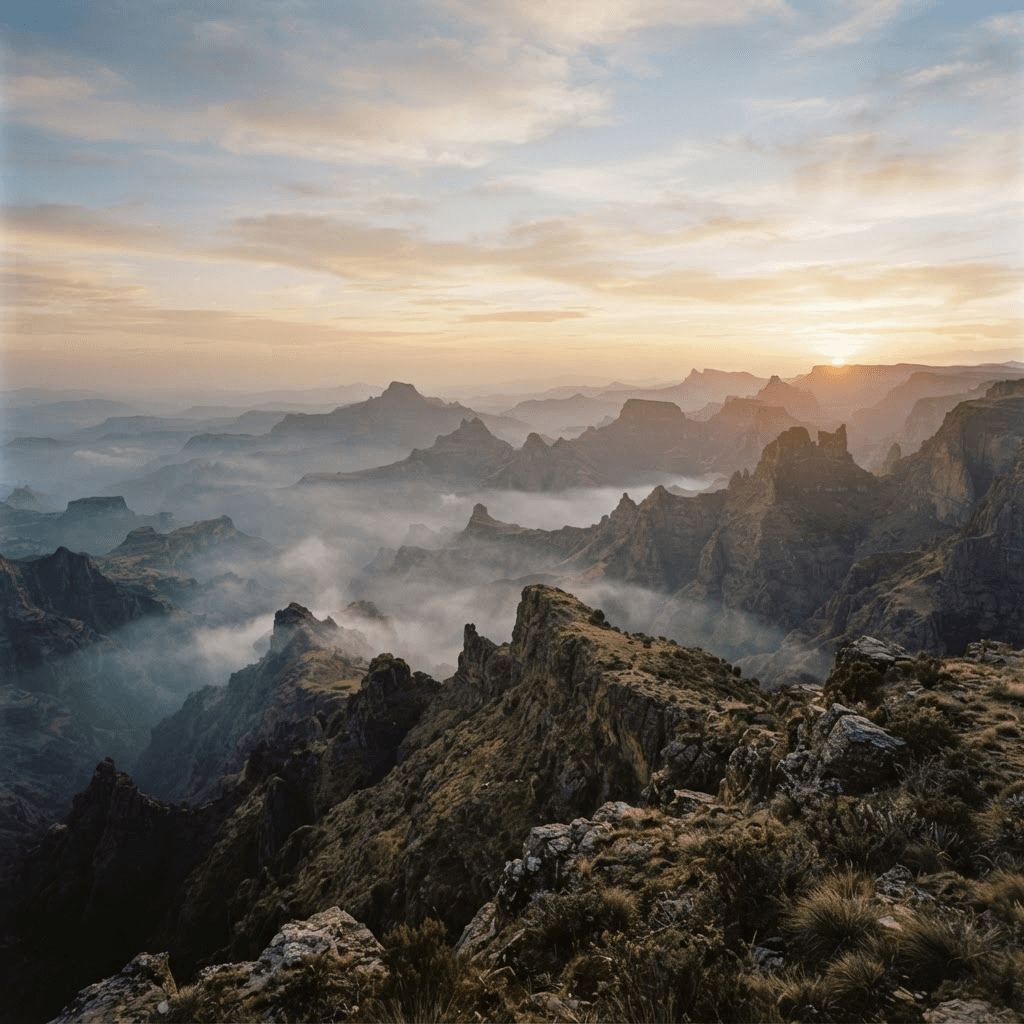
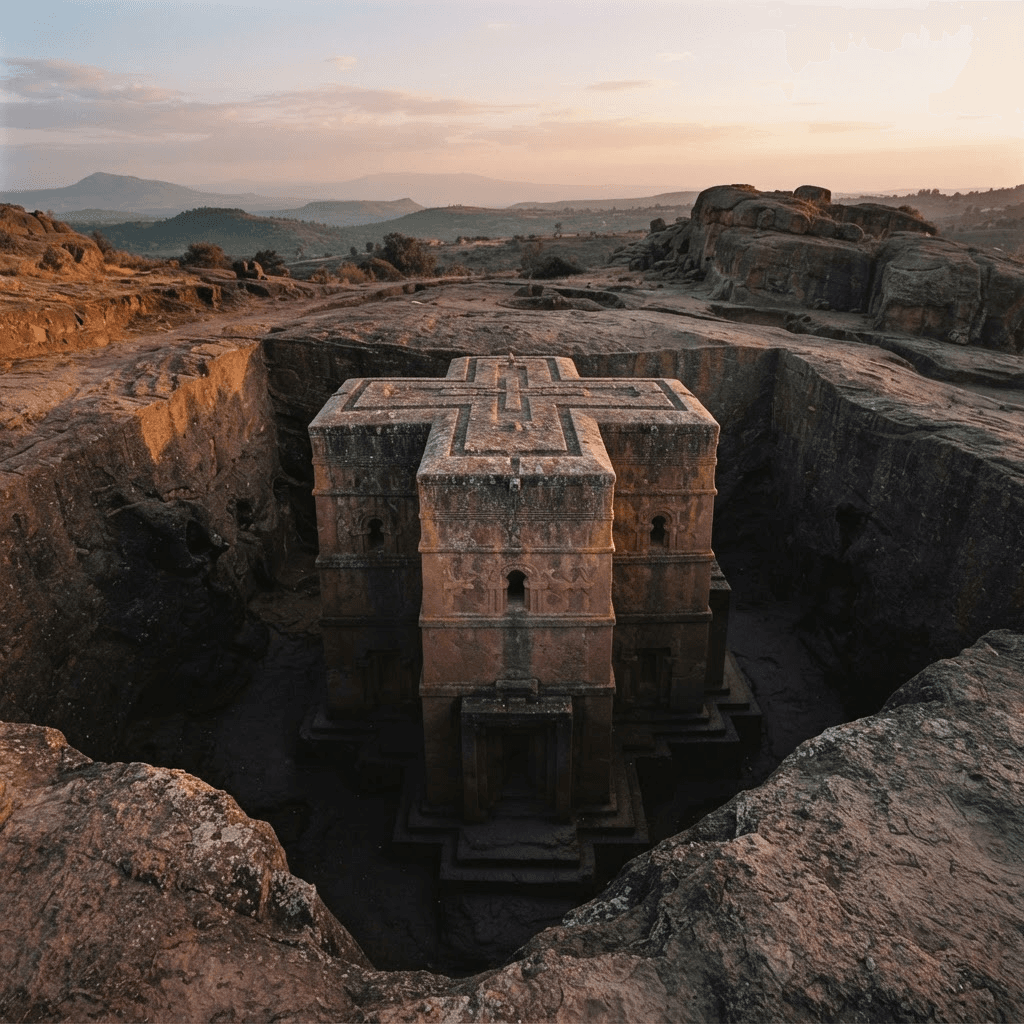
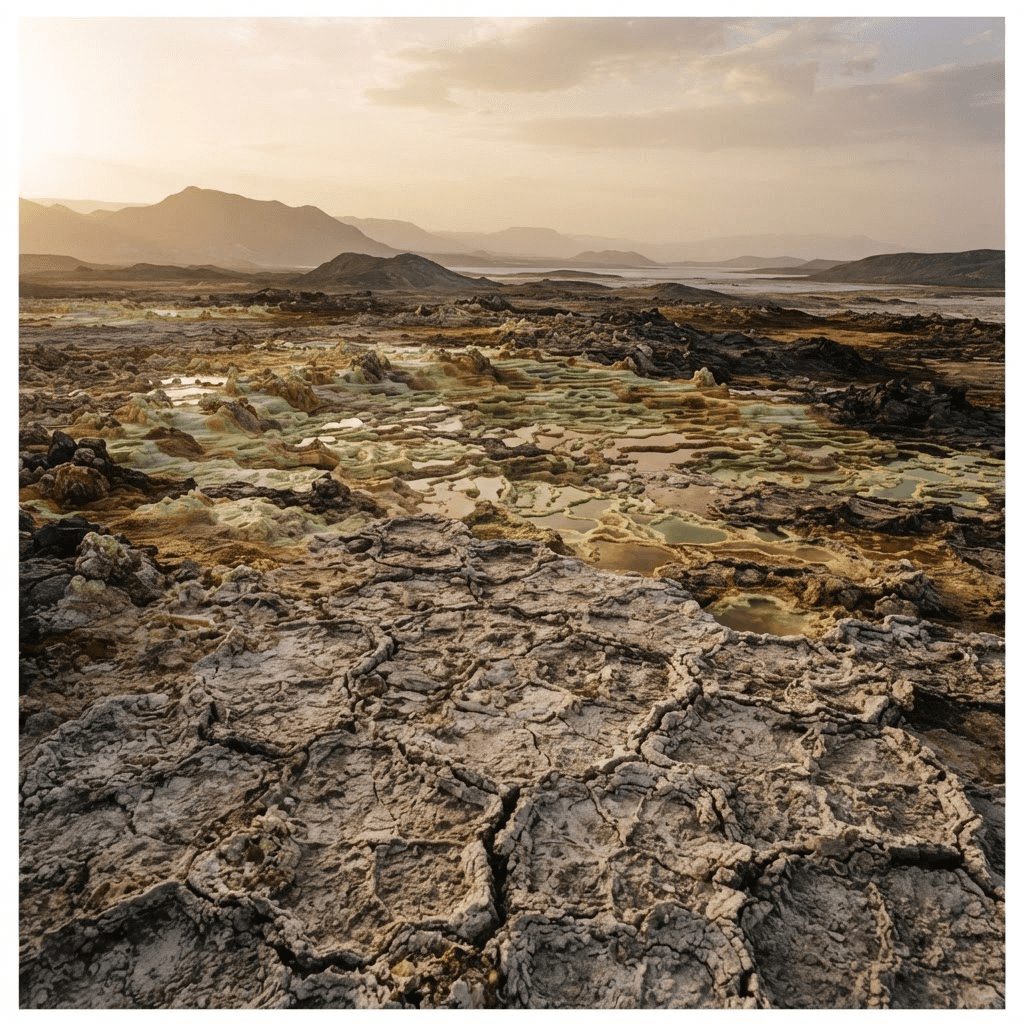
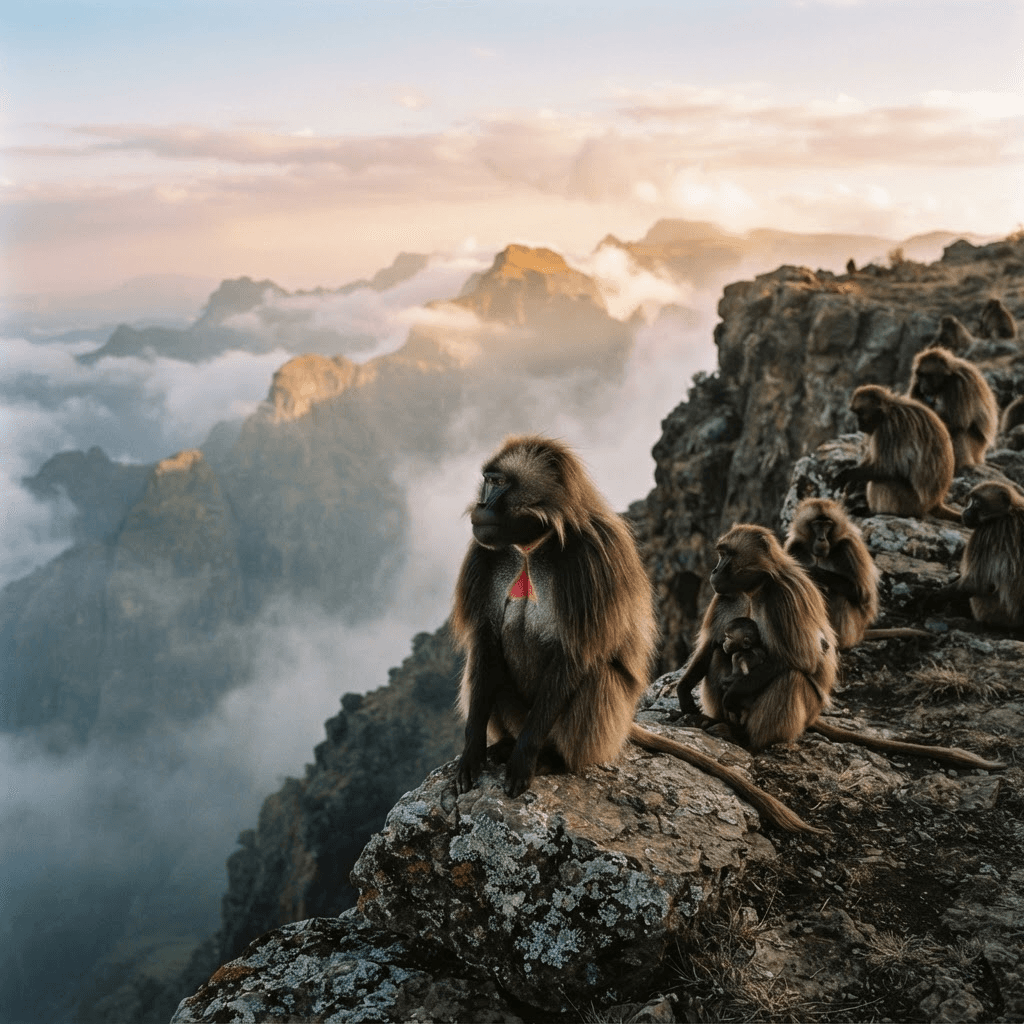
A photographer-guide reads each place for its hour — Imet Gogo at sunrise, the Lalibela trenches at first light, the salt flats as the heat goes — so the camera never fights flat midday sun.
Every stop on a light-led journey is timed to the sun rather than the itinerary. In the Simien that means being on the rim at Imet Gogo before dawn, when three ridgelines stand out of the cloud below you. In Lalibela it means arriving while pilgrims are still gathering, before the light drops into the trench at Bete Maryam.
Your guide is a working photographer first. They know which angle clears the haze, which ridge catches the first light, and when to simply stop because the light will not hold — and they plan the long drives for the flat hours in between.
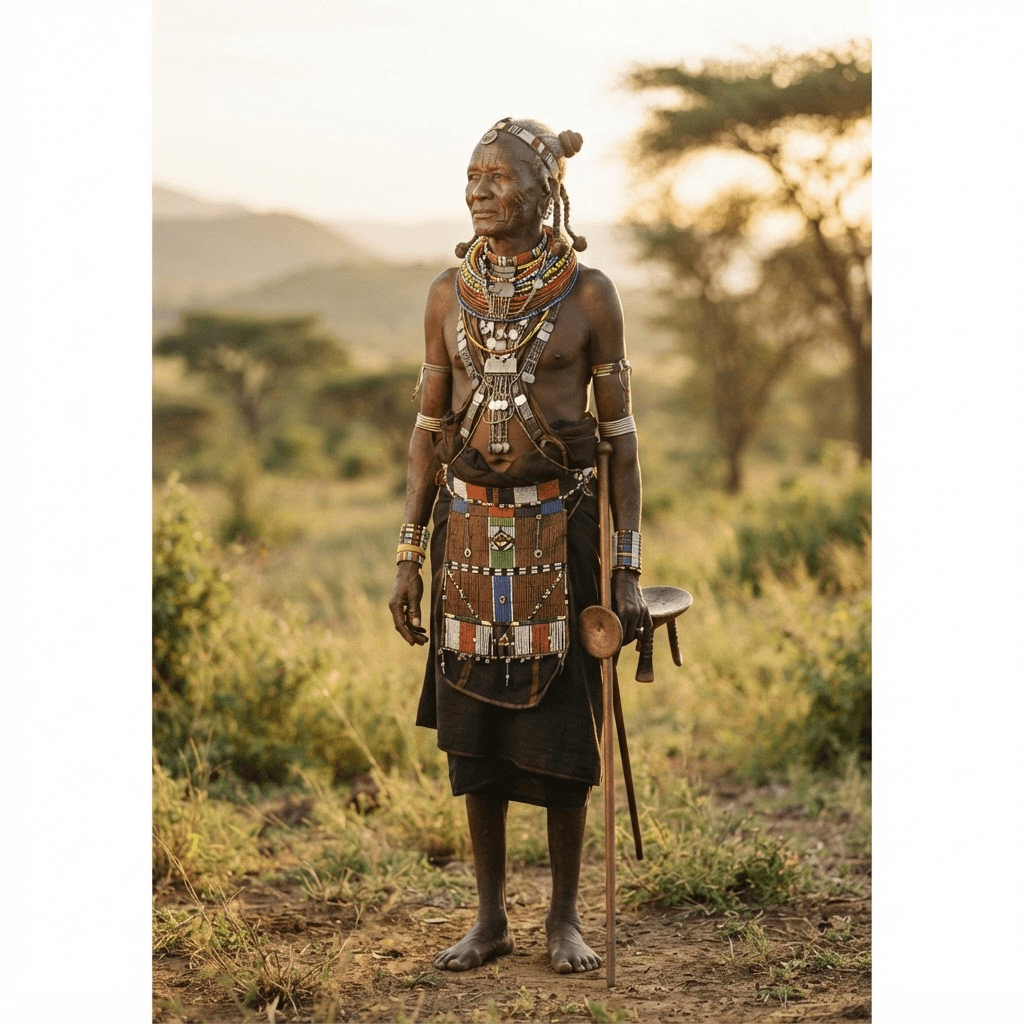
Portraits are only ever taken with consent, asked for and respected, and never from a moving vehicle. Sending prints back afterwards is often the more meaningful part of the exchange.
What this looks like
- 01A working photographer as guide, not a generalist driver-guide
- 02Dawn and dusk built into the schedule at every major site
- 03A vehicle with windows that open, and stops made on request
- 04A clear consent-first approach to every portrait
- Typical setting
- Simien, Lalibela, Danakil
- Group size
- 2 – 4 guests
- Time needed
- 5 days or more
- Season
- Oct – Mar
Where It Happens
The places behind this idea
Journeys That Include It
Travel it for yourself
Speak With a Designer
Build this into your journey
Tell us roughly when you'd travel and what drew you to this idea. A designer will suggest the route that carries it best.
Or call us directly on +1909-450-7246