PlanningJune 18, 20269 min read
Choosing your dates: a season-by-season guide to Ethiopia
The country spans four and a half kilometres of altitude, so "best time to visit" depends entirely on where you're actually going.

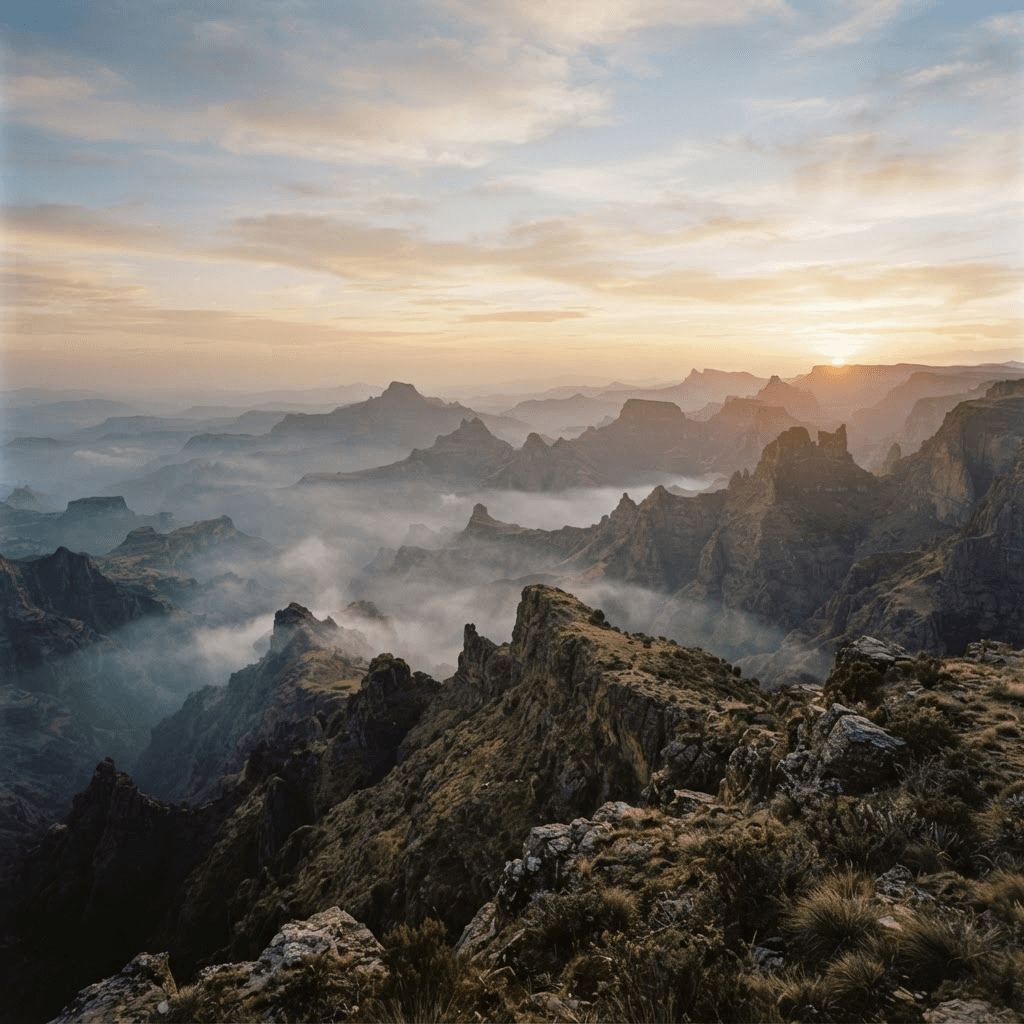
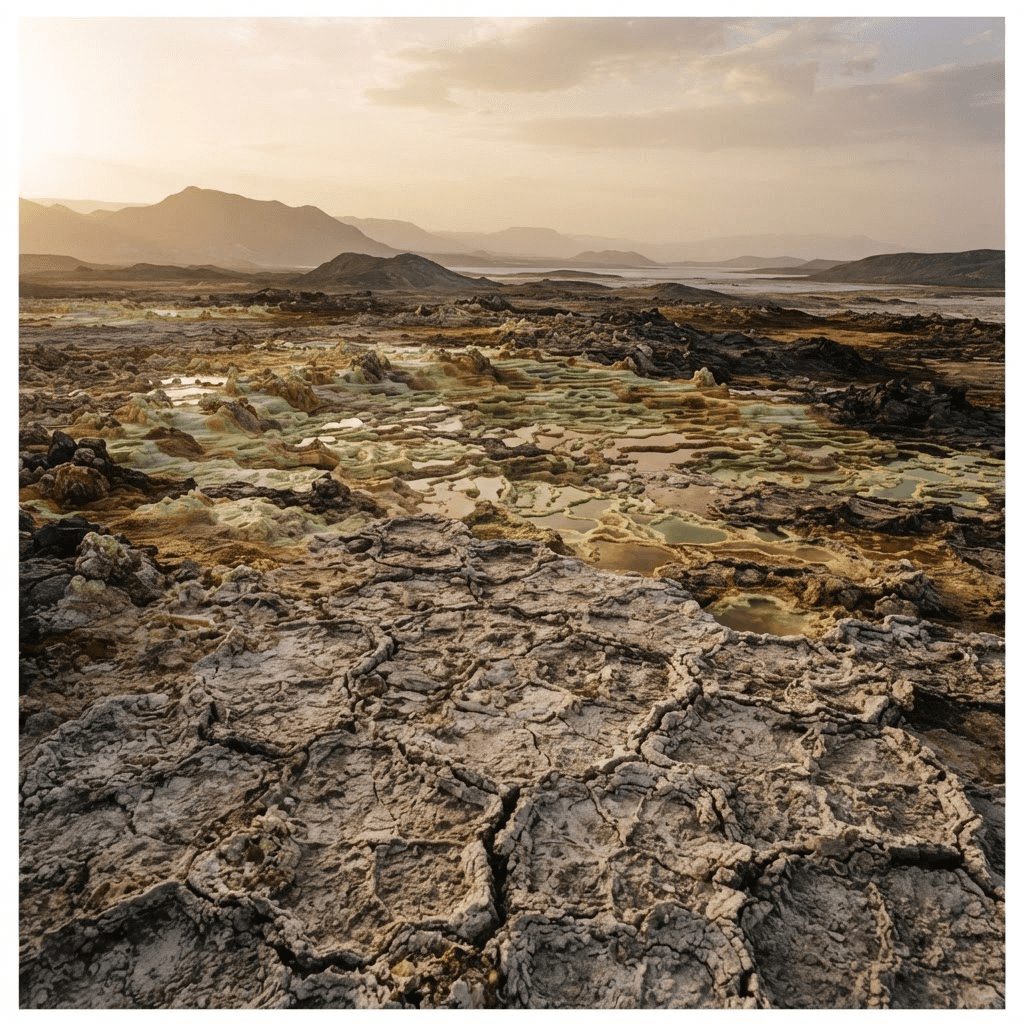
Ethiopia runs from 125 metres below sea level in the Danakil to nearly 4,600 metres in the Simiens, which means there is no single answer to "when should I come" — only a set of answers depending on which parts of the country you want.
October and November are, by most measures, the strongest weeks of the year. The main rains have just ended, the highlands are still green, wildflowers cover the Sanetti Plateau, and visibility in the Simiens can stretch three ridgelines deep.
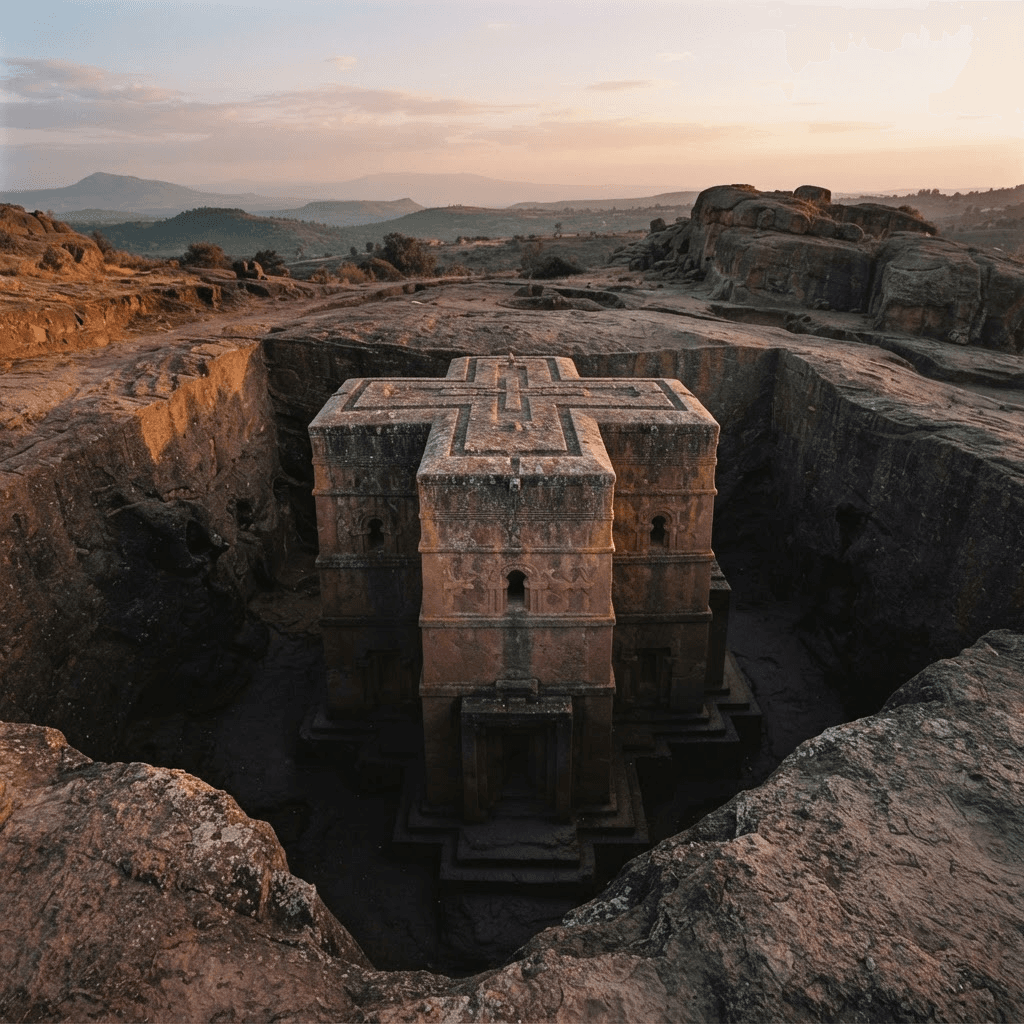
December through February brings the festival calendar — Ethiopian Christmas at Lalibela, then Timkat in Gondar in January — alongside the coldest highland nights of the year. It is also the only comfortable window for the Danakil, where daytime heat shifts from dangerous to merely extreme.
March through May is the quieter option many repeat guests prefer. Afternoon storms are possible in the north and the lowlands run hot, but the light is dramatic, sites are near-empty, and rates soften.
June through September is kiremt, the long rainy season. We scale back the northern circuit almost entirely during these months, since roads soften and flights get disrupted. The south, though, stays open, and the Omo Valley is at its greenest with noticeably fewer visitors.
Written by Selam Bekele, head of journey design. Questions about any of the above are always welcome — write to us.
More From The Journal
Also worth your time

Speak With a Designer
Ready to see it for yourself?
Every essay here comes out of a journey we designed for someone. Tell us what you want yours to feel like.
Or call us directly on +1909-450-7246