UNESCO Heritage · Northern Highlands
Lalibela
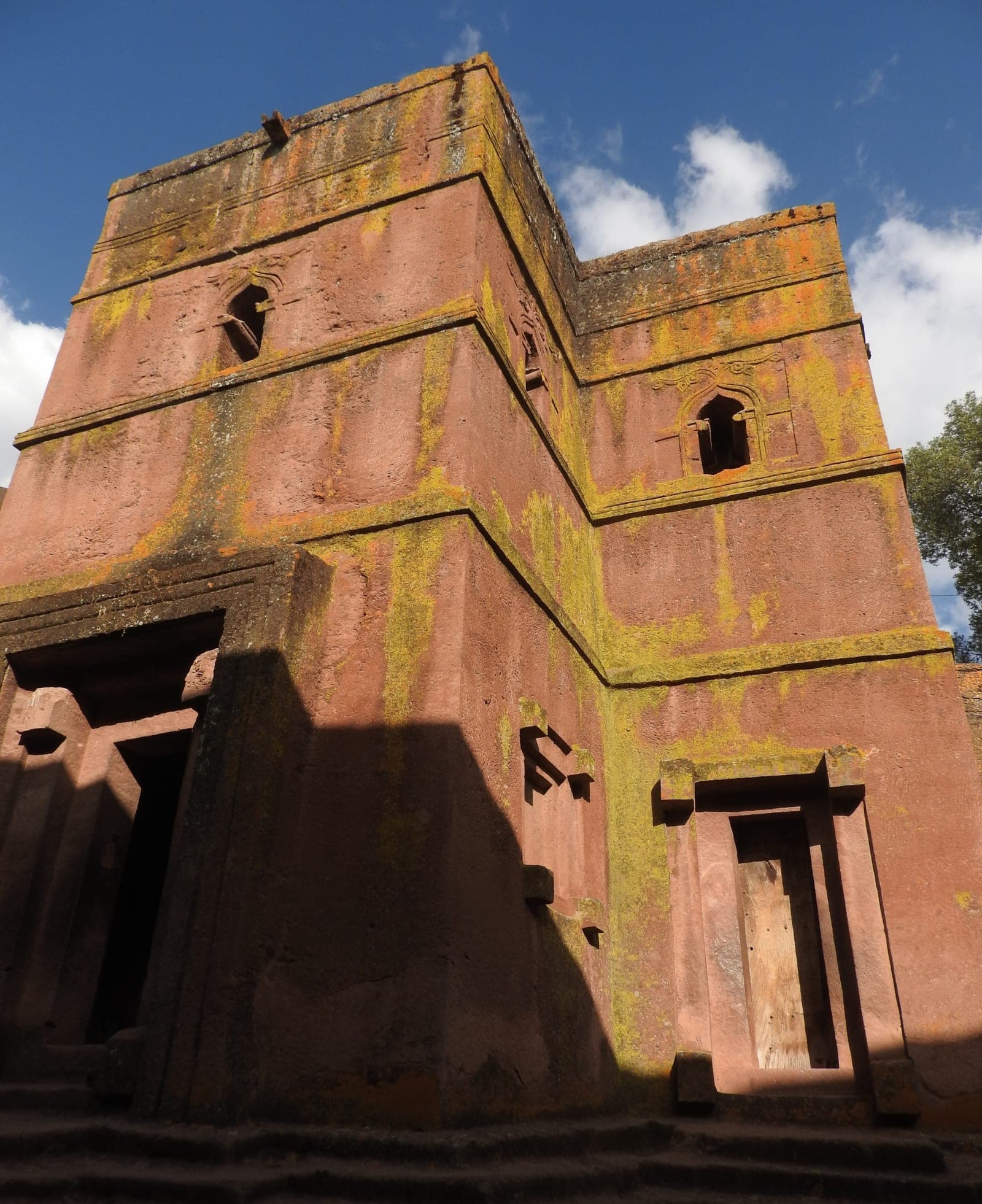
King Lalibela is said to have dreamed of a New Jerusalem and had it quarried from the mountain rather than built upon it — a project that took a working population most of a century to finish. Eleven rock-hewn churches remain in active liturgical use today.
At a Glance
Lalibela in plain terms
- Best time
- October – March
- Typical stay
- 2 – 3 days
- Altitude
- 2,500 m
- Region
- Northern Highlands
Why We Go
Thirteenth-century churches cut entire from single blocks of volcanic rock, and never abandoned.
Twelve hundred masons, tradition says, spent decades lowering these churches out of the rock rather than raising them from the ground — each one begun as a trench cut around a single block of tuff, then hollowed from the top down until windows, doors and columns emerged from what had been solid stone.
None of it is sealed behind rope lines. Priests still keep the liturgical calendar here, incense still moves through the same corridors pilgrims have used for eight hundred years, and a visit timed to the early service will put you inside that rhythm rather than beside it.
Most visitors see only the two town clusters. A second day opens the hills: Asheton Maryam on the ridge above, Nakuto La'ab in its cave shrine, and Yemrehanna Kristos — a built church inside a natural cave, older than the town's famous excavations and almost empty at midday. Christmas (Genna) and Timkat turn the trenches into festival corridors; book rooms months ahead if you want those dates.
Highlights
- 01Bete Giyorgis, cut in the shape of a Greek cross and roofed at ground level
- 02The trench passages linking the northern and eastern church clusters
- 03Morning prayer beneath the frescoed ceiling of Bete Maryam
- 04A walk to Asheton Maryam, the monastery on the cliff above town
- 05Yemrehanna Kristos, a cave church older than Lalibela itself, an hour into the hills
Best combined with a stay of 2 – 3 days, travelling October – March.
Journeys Including Lalibela
Routes that pass through here
Common Questions
Planning Lalibela
Season, altitude and how long to stay — answered plainly.
When is the best time to visit Lalibela?
October to March is the most reliable window for dry paths and clear light. Ethiopian Christmas (early January) and Timkat fill the churches with pilgrims — powerful if you want liturgy, quieter if you come midweek outside the feasts. See our journal piece on dawn visits for timing tips.
How many days should I spend?
Two to three full days is enough for both church clusters, a dawn visit and one outlying monastery such as Asheton Maryam or Yemrehanna Kristos. One rushed day only covers the highlights in tourist hours.
Is Lalibela difficult to walk?
The town sits around 2,500 metres. Paths between churches use trenches, steps and uneven rock — manageable for most visitors who take it slowly, but hard on knees and balance. We can plan rest stops and vehicle transfers where useful.
Should I see the churches at dawn?
Yes if you can. Early light and morning prayer show Lalibela as a living church rather than a midday monument. We time permits and a local guide so you arrive before the main tour groups.
Which journeys include Lalibela?
Lalibela anchors the Historic Route and several shorter highland itineraries. Tell us your dates and we will match a private circuit that gives the churches proper time rather than a tick-box stop.
Plan This Destination
Build Lalibela into your journey
Nothing here is fixed. Tell us how long you have and what else you want to see, and a designer will draw the route — including the flights, the guides and the hours that matter.



Speak With a Designer
Speak to someone who has been there this season
Our designers travel these routes themselves. Ask about road conditions, festival dates or which lodge has the better view — you will get a straight answer.
Or call us directly on +1909-450-7246